
FREE COTK REPORT / WE’VE TRIED EVERYTHING
What would make a student try again?
Before we ask students to try harder, let’s ask what would make learning feel worth the effort.
Illustration.
Confidence needs evidence.
What could education give students to build on?
1,700+ schools
In COTK’s practice across decades
Since 1982
Educational experience behind the report
12 pages
A starting point for a wider debate
WHY THE CONVERSATION MATTERS
The warning signs deserve our attention.
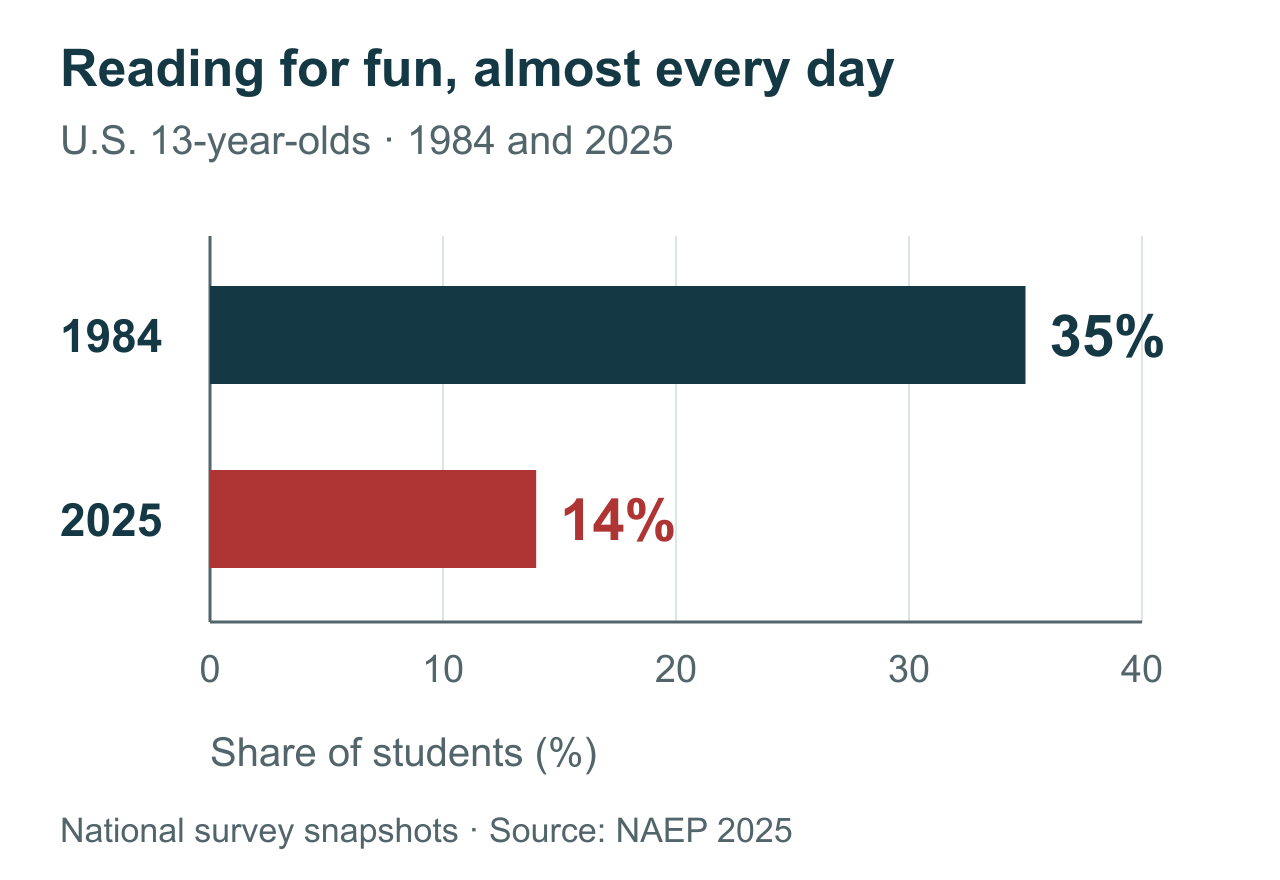
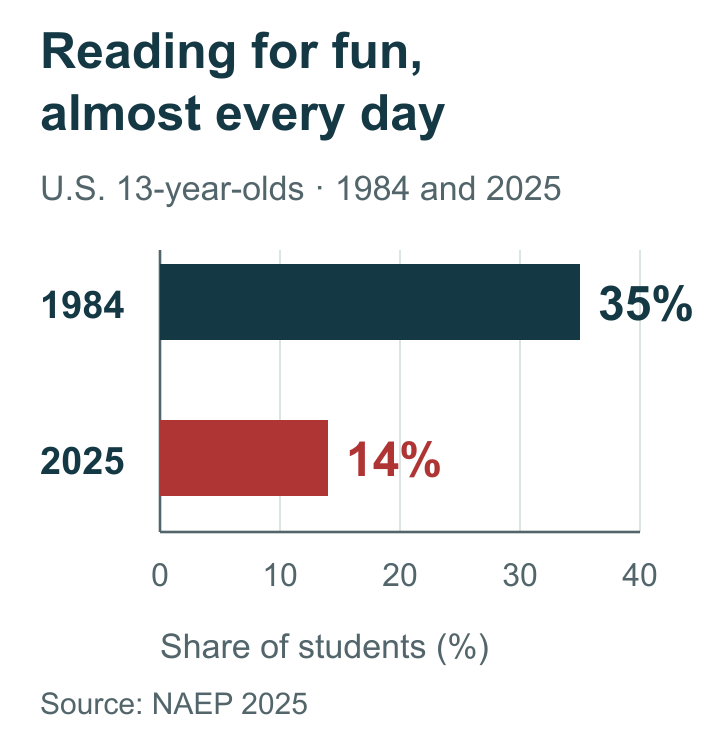
National survey responses describe reading habits, rather than a COTK program outcome.
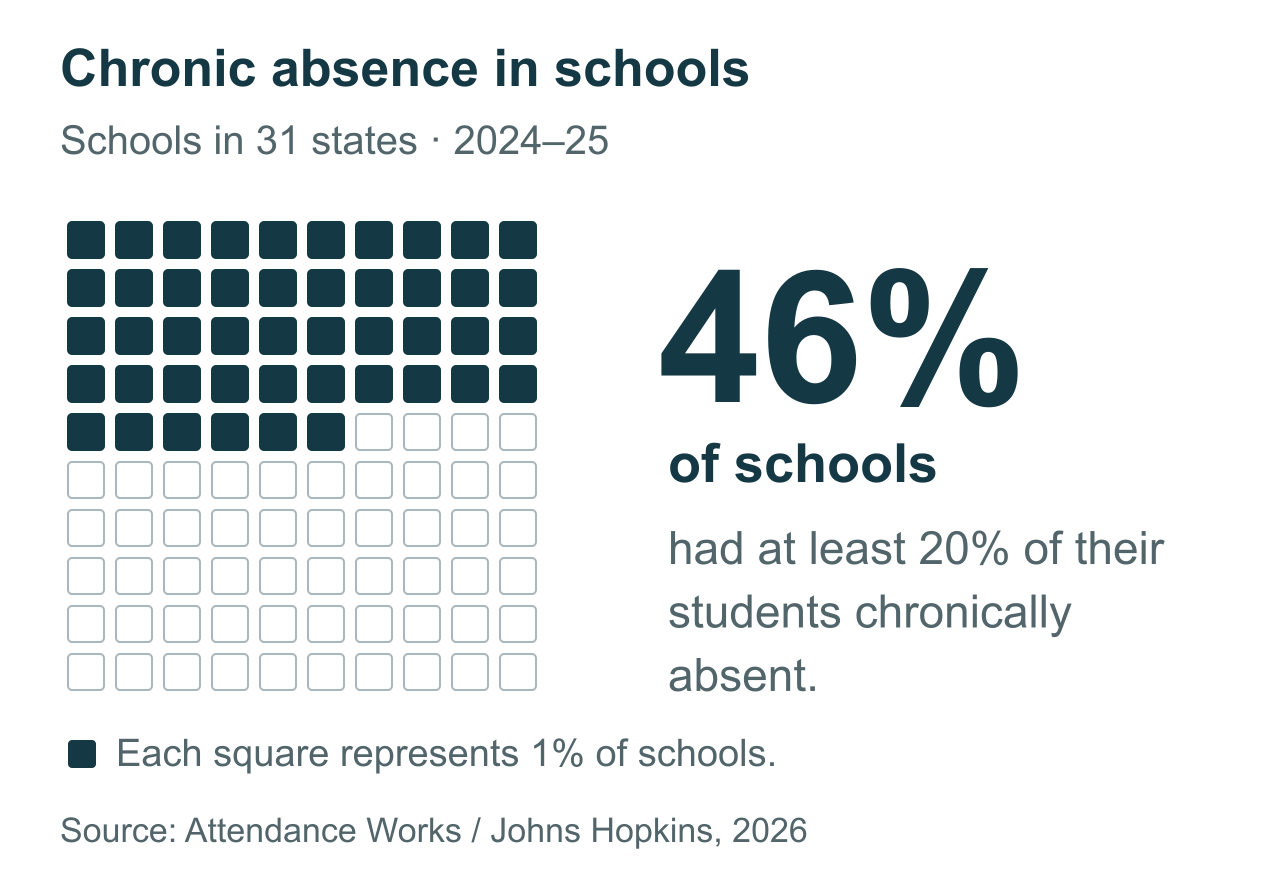
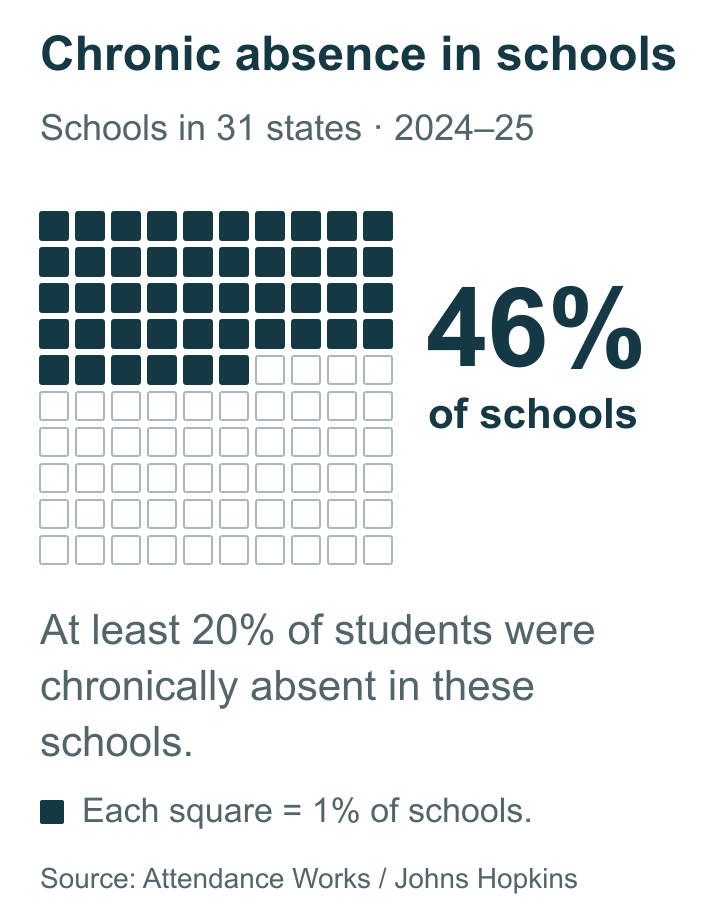
The percentage describes schools in the 31-state analysis, rather than the proportion of U.S. students absent.
THE REPORT’S PRACTITIONER FRAMEWORK
Four conditions worth designing for.
Meaningful risk
Is this worth attempting?
Demanding work with a purpose the learner can recognise.
Belonging
Do I have a place here?
Supportive relationships and a meaningful part to play.
A REASON TO TRY AGAIN
Structure
What’s my next step?
Clear goals, useful guidance and help when it’s needed.
Visible triumph
Can I see what I’ve learned?
Evidence of progress the learner can understand and explain.

Your details will be stored by Circus of the Kids in Wix to record your report request. This form does not subscribe you to marketing emails. Privacy information is available from the link in the footer.
A way to examine learning experiences, with claims that still need independent evaluation. Circus arts illustrate the framework; the educational questions reach across the curriculum.
FROM INSIGHT TO ACTION
What could change in an ordinary school week?
01
Listen to the learner
Ask what makes participation difficult and what happens when they need help.
02
Redesign the next task
Combine a worthwhile challenge with clear steps, guidance and room to make decisions.
03
Make progress visible
Use feedback and another attempt so students can explain what they can now do.
TAKE THE NEXT STEP
Read the report.
Start a better conversation.
Get the original 12-page PDF, We’ve Tried Everything, and bring its questions back to your school or learning team.
-
Explore the four conditions and the experience behind them.
-
Read a student case study in its educational context.
-
Ask what would make progress more dependable for your learners.
Informed by practice in more than 1,700 schools since 1982. Practice observations and an individual case do not establish a program’s causal impact.
Sources and scope
-
National Assessment Governing Board (2026). NAEP long-term trend assessments. Reading-for-fun survey: U.S. 13-year-olds, 1984 and 2025.
-
Attendance Works & Everyone Graduates Center (2026). Reducing elevated school-levels of chronic absence. School data from 31 states for 2024–25.
-
Circus of the Kids (2026). We’ve Tried Everything. Original 12-page report based on educational practice.
The accompanying article examines the wider educational research, the limits of the report’s claims and practical follow-up actions.
Different populations, periods and measures raise questions. They don’t establish a single cause, or prove that any one program can reverse the trends.